
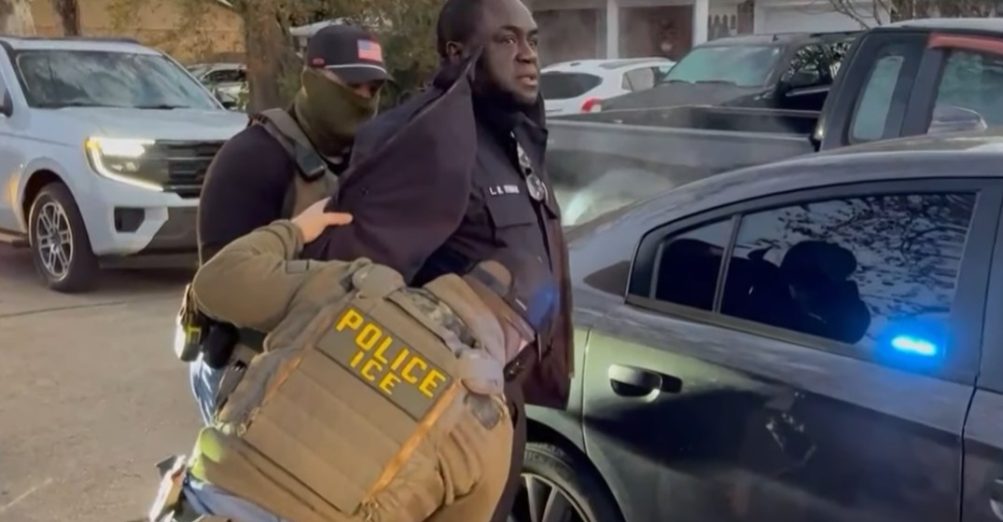
CameroonOnline.ORG | This is a developing and sensitive story that hits close to home for many in our community. The case of Larry Temma, a 46-year-old Cameroonian recruit for the New Orleans Police Department (NOPD), has sparked a massive debate involving ICE, local law enforcement, and federal law.
For our Cameroonian brothers and sisters in the U.S., this isn’t just a news headline—it’s a cautionary tale about the complexities of the immigration system.
The Larry Temma Case: What Every Cameroonian in the Diaspora Needs to Know
The headlines in New Orleans are buzzing: An NOPD recruit was taken into ICE custody right in the middle of his training. But as we know, there are always two sides to a “Country” story. Here is the breakdown of what happened and what it means for those navigating life in the States.
The Timeline of Events
According to ICE records and investigative reports, Larry Temma’s journey follows a path many of us recognize, but with several legal “red flags” that eventually caught up:
-
2015: Temma entered the U.S. legally on a visitor visa.
-
2016: He was granted conditional residency through marriage. However, records show a divorce petition was filed later that same year.
-
2022: His application for permanent residency (Green Card) was denied due to alleged fraud.
-
2023-2024: ICE claims Temma missed three immigration court dates, leading to a judge ordering his removal in absentia (in his absence).
-
2025: Temma applied to the NOPD, passed criminal background checks, and cleared the federal E-Verify system.
The “He Said, She Said” Between NOPD and ICE
This is where it gets complicated. The NOPD insists they did everything by the book. They used the federal E-Verify system, which told them Temma was authorized to work. They claim they had no reason to believe his status was in question.
On the flip side, ICE is pulling no punches. They claim Temma was “undocumented” and should never have been issued a service weapon. They argue that despite clearing E-Verify, his underlying legal right to be in the country had expired due to the missed court dates and the residency denial.
Why This Matters for the Cameroonian Community
This case highlights a terrifying “grey area” in the U.S. immigration system. You can have a work permit that appears valid in one system (E-Verify) while simultaneously being on a “removal” list in another.
Key Takeaways for the Diaspora:
-
Never Miss a Court Date: In the eyes of US law, missing an immigration hearing is often seen as an admission of guilt or a “disregard for the law,” leading to immediate deportation orders.
-
The “Marriage Trap”: While marriage is a legitimate path to residency, the timing of divorces and the validity of the relationship are under extreme scrutiny. The “fraud” label is hard to erase once applied.
-
Background Checks Aren’t Bulletproof: Just because you pass a background check for a job doesn’t mean your immigration status is “cleared” forever. Systems like E-Verify and ICE databases don’t always talk to each other in real-time.
The “Criminal” vs. “Civil” Debate
Even Senator Bill Cassidy weighed in, suggesting that immigration efforts should focus on criminals rather than those trying to serve their communities. Temma was volunteering to protect the city of New Orleans—a move many see as a sign of good character, while others see it as a violation of federal rules.
“If they focus upon people who are criminals, we’re going to be better off.” — Senator Bill Cassidy
Final Thoughts
As this story develops, it serves as a reminder to our community: Documentation is everything. Whether you are in the middle of a divorce, a job change, or a visa renewal, ensure your legal counsel is checking every box. Larry Temma was one step away from becoming a police officer; now, he faces a very different reality.