
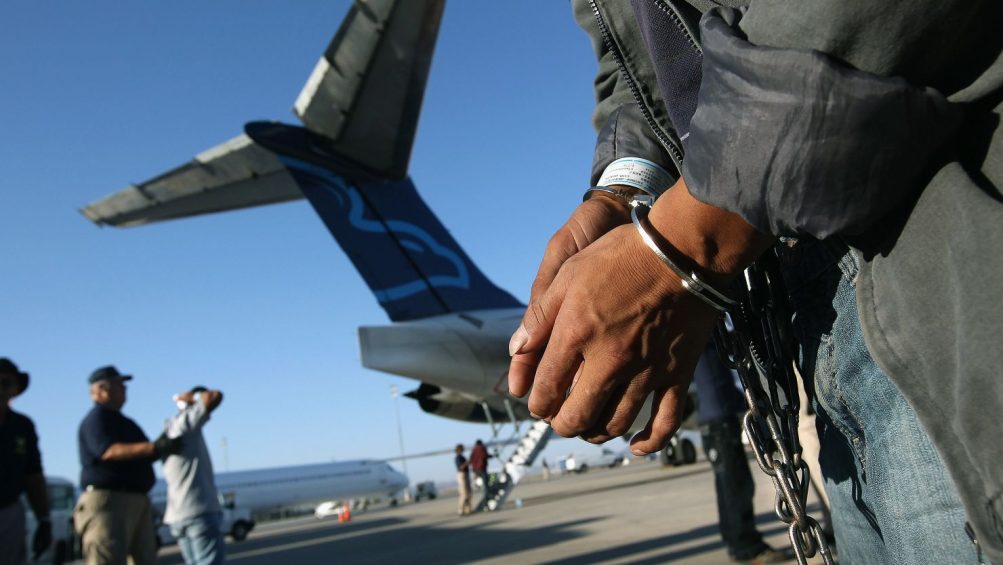
CameroonOnline.ORG | A recent report by BFM has brought international attention to a sensitive and growing issue: the deportation of asylum seekers from the United States back to Cameroon. The latest case involves a woman who fled our shores seeking protection, only to be sent back despite her claims of facing danger due to her identity.
While many in Cameroon view migration as a path to a better life, this story serves as a stark reminder of the shifting “American Dream” and the legal complexities awaiting those who reach the U.S. border.
Why This Case Is Making Headlines
The woman at the center of the BFM report is a member of the LGBTQ+ community. Under Section 347-1 of the Cameroon Penal Code, same-sex relations remain illegal, punishable by prison time.
For the U.S. to deport an individual into this legal environment—especially one who explicitly requested asylum to avoid it—has sparked a heated debate among human rights advocates.
The Key Points for Cameroonians to Know:
-
A Shift in U.S. Policy: The U.S. has recently utilized “third-country” agreements. Reports suggest that even non-Cameroonian nationals are being offloaded in Yaoundé or Douala under secret arrangements, using Cameroon as a transit point or holding zone.
-
The Risk of “Refoulement”: This is the legal term for returning someone to a place where they may face persecution. Human Rights Watch has noted that deportees often face immediate scrutiny or detention upon arrival at the airport.
-
A Warning to the Diaspora: This case highlights that seeking asylum is no longer a guaranteed “safety net.” U.S. authorities are increasingly bypassng court protections to hasten removals.
Living in the Shadows
For those returned to Cameroon under these circumstances, the challenge is twofold. Not only must they navigate the legal risks associated with their identity, but they often face social stigma and “re-entry” challenges in a country they once tried desperately to leave.
“It is a difficult reality. You leave looking for freedom, and you are brought back in handcuffs to the very place you feared.” — Anonymous returnee (Ref. HRW)
What Does This Mean for Us?
This story is more than just a foreign news clip; it’s a reflection of how international borders are tightening. Whether one agrees with the local laws or not, the reality is that the U.S. is no longer the “unconditional” refuge it once was, and Cameroon is increasingly becoming a focal point for these controversial deportation flights.