
CameroonOnline.ORG | In a move that has caught immigration lawyers and human rights advocates off guard, the United States has reportedly intensified a controversial program: deporting individuals to Cameroon—a country they have never lived in and hold no citizenship for.
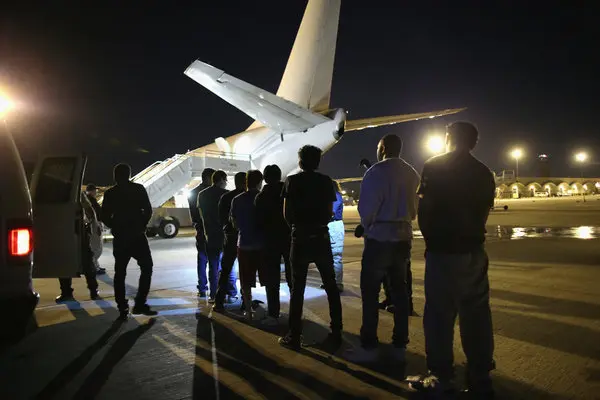
According to a recent report from the Associated Press and legal groups, a second flight of “third-country nationals” landed in the Cameroonian capital of Yaoundé this Monday, February 16, 2026. This follows a secretive flight in January that transported nine migrants to the Central African nation under similar circumstances.
What is a “Third-Country” Deportation?
Typically, when someone is deported from the U.S., they are sent back to their country of origin. However, under a rarely used provision of the Immigration and Nationality Act, the government can send individuals to a third country that agrees to accept them.
The Trump administration has significantly expanded this practice, reportedly spending upwards of $40 million to negotiate deals with nations like Cameroon, Rwanda, and Eswatini to take in deportees.
Why This Matters: The Legal Loophole
The core of the controversy lies in who is being sent. Lawyers for the deportees point out two major concerns:
-
CameroonOnline.ORG | Circumventing Court Protections: Many of those sent to Cameroon had “withholding of removal” orders from U.S. judges. This means a court had already ruled they would likely face persecution or torture if sent back to their home countries (such as Zimbabwe, Morocco, or Ghana).
-
The “Loophole” Strategy: By sending these individuals to Cameroon instead of their home countries, the U.S. technically avoids violating the court order. However, advocates argue this is a legal workaround, as these migrants may eventually be forced to return home from Cameroon anyway.
A Growing Network of Agreements
Cameroon is not alone. Internal documents suggest the U.S. is negotiating nearly 50 similar agreements globally. While the State Department maintains these policies are essential for “bolstering America’s border security,” critics argue the lack of transparency is alarming.
“For now, my focus is handling their shock,” said Joseph Awah Fru, a Cameroon-based lawyer working with the deportees. Many of the individuals reportedly did not know their final destination until they were shackled and boarded the flight.
The Human Cost
The individuals on these flights are often fleeing violence or discrimination based on their political activities or sexual orientation. Once in Cameroon, they are reportedly held in facilities where they may face pressure to “voluntarily” return to the very countries they fled.
As these “secret” flights continue, they raise a difficult question: Does shifting the location of deportation satisfy the legal and moral obligations of asylum, or is it simply moving the problem out of sight?