
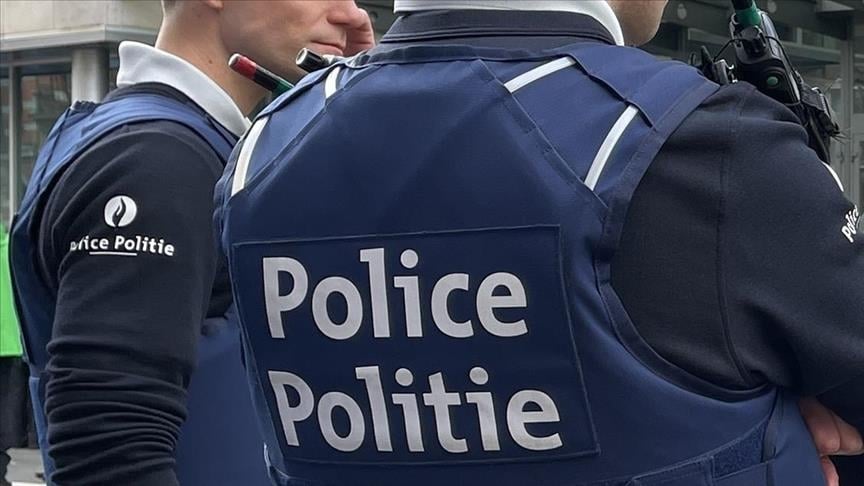
CameroonOnline.ORG | In a significant move that signals a tightening net around the external leadership of the “Ambazonia” movement, Belgian authorities have detained three individuals suspected of involvement with Cameroonian separatist groups. This operation, reported by RFI on March 3, 2026, underscores a growing trend of European nations using domestic and international law to address the long-running conflict in Cameroon’s Anglophone regions.
A Crackdown Across Borders
While the identities of the three individuals have not yet been formally released, the arrests are part of a broader push to investigate the financing and orchestration of violence from the safety of the diaspora.
Belgium’s federal prosecutor’s office indicates that these individuals are being investigated for:
-
Financing of Terrorism: Allegations of funneling money from Europe to armed groups in the Northwest and Southwest regions of Cameroon.
-
Recruitment and Incitement: Using social media and community networks to coordinate attacks or recruit fighters on the ground.
-
Membership in a Criminal Organization: Specifically targeting those linked to the armed wing of the separatist movement.
The Turning Tide in Europe
For years, leaders of the self-proclaimed Republic of Ambazonia have operated relatively freely in Europe and North America, using these platforms to raise funds and international awareness. However, the legal landscape is shifting.
These Belgian arrests follow a high-profile precedent set in late 2024, when Norwegian police arrested Lucas Ayaba Cho, one of the most prominent separatist leaders, on charges of incitement of crimes against humanity. By invoking universal jurisdiction, European countries are sending a clear message: the diaspora is no longer a “safe zone” for those accused of fueling the “Anglophone Crisis.”
The Human Cost of the Conflict
Since 2017, the conflict between the Cameroonian government and separatist rebels has led to a dire humanitarian situation:
-
Thousands killed: Both security forces and civilians have been caught in a cycle of retaliatory violence.
-
Displacement: Over 600,000 people remain internally displaced, with tens of thousands more seeking refuge in neighboring Nigeria.
-
Education as a Battlefield: Schools have been frequently targeted, with separatist-imposed “ghost towns” and boycotts depriving hundreds of thousands of children of their right to learn.
What This Means for the Future
The detention of these three individuals in Belgium may increase the pressure on other separatist factions to consider a negotiated settlement. However, critics argue that until the Cameroonian government addresses the root causes of Anglophone marginalization and curbing its own military’s reported abuses, legal actions in Europe may only be a temporary deterrent.
For now, the international community is watching closely to see if these arrests lead to formal trials—and if those trials will provide the evidence needed to finally bring some level of accountability to a conflict that has devastated western Cameroon for nearly a decade.