
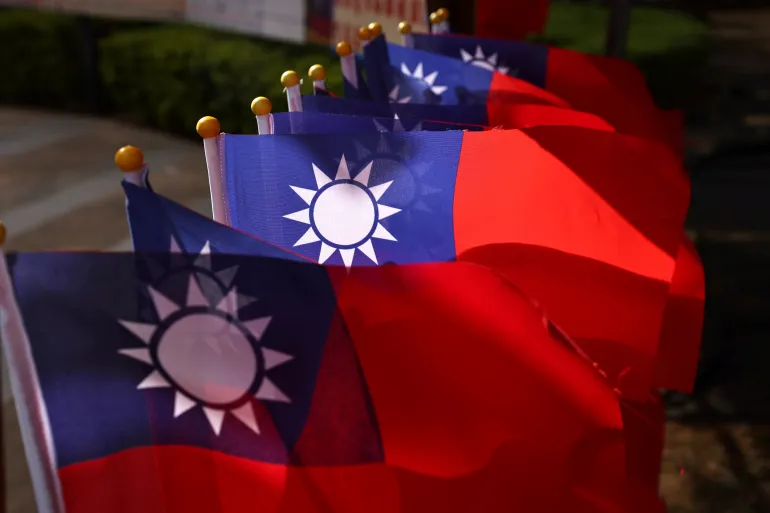
CameroonOnline.ORG | In a major diplomatic standoff, Taiwan’s Ministry of Foreign Affairs (MOFA) has confirmed that the nation will boycott the 14th World Trade Organization (WTO) Ministerial Conference (MC14) scheduled for March 26–29 in Yaoundé, Cameroon.
The decision marks a historic moment of tension, as Taiwan refuses to compromise its international standing for a seat at the table.
The Spark: A Dispute Over Identity
The conflict began when host nation Cameroon issued visa documents for the Taiwanese delegation—led by Chief Trade Negotiator Yang Jen-ni—labeling their nationality as “Taiwan, Province of China.”
Taiwan, which joined the WTO in 2001 as a “Separate Customs Territory,” viewed this as a direct violation of its established status. Despite interventions from the WTO Secretariat and support from members like the U.S. and Japan, Cameroon cited its “foreign policy” as the reason for refusing to change the designation.
The Broader Context: A Conference Under Pressure
The visa dispute is happening against a backdrop of significant logistical and political uncertainty for MC14:
-
Host Readiness: Reports from Africa Intelligence recently suggested the WTO was “quietly preparing” to move the conference from Yaoundé back to Geneva due to infrastructure delays.
-
Official Stance: On March 14, the WTO strongly rejected these reports, calling them “inaccurate” and reaffirming that the meeting will proceed in Cameroon as planned.
-
Political Divisions: Beyond the visa issue, the conference is facing deep divides. Organizations like the Third World Network (TWN) have highlighted growing concerns among developing nations that the WTO reform agenda is being steered by the “Global North” in a way that ignores the developmental needs of African and other Southern members.
Why This Absence Matters
Taiwan’s boycott is the first of its kind in 25 years. While it sends a powerful message about sovereignty, it also means Taiwan will be absent during critical negotiations on agriculture, fisheries subsidies, and the electronic commerce moratorium.
“By choosing to skip the meeting, Taiwan is emphasizing that its identity as an independent WTO member is not up for negotiation, even at the cost of its presence in these vital global trade talks.”
What’s Next?
While the WTO Secretariat has deployed 150 staff to Cameroon to ensure the event runs smoothly, the absence of a major trading economy like Taiwan underscores the fragile nature of international cooperation in 2026.