 CameroonOnline.org Cameroon news, Actualité Camerounaise, live Web TV & Radio, World News and a lot more
Related Articles
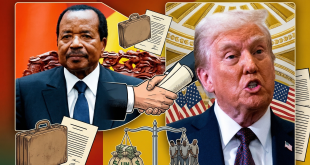


CameroonOnline.ORG | A high-stakes game of “diplomatic horse-trading” has come to light, revealing how the U.S. government secured a secret agreement to deport migrants to Cameroon. According to a recent investigation by The New York Times, the Trump administration utilized financial pressure and political silence to ensure the central African nation would accept hundreds of people who cannot legally be sent back to their home countries.
Funds and Favors
The deal centers on a strategy of leverage. Per U.S. government documents and official accounts obtained by The Times, the U.S. withheld $30 million in funding intended for the United Nations refugee agency in Cameroon. This disbursement was only released two days before the first deportation flight departed from Louisiana this past January.
Beyond the money, the U.S. leveraged political silence. Despite a deadly crackdown on protesters following a disputed election in Cameroon, the administration opted not to criticize President Paul Biya’s government—a move diplomats reportedly believed would create significant leverage in negotiations.
“Selling People”
The migrants being sent to Cameroon are not Cameroonian citizens. They are individuals from various nations who fled war, political imprisonment, or persecution. Because U.S. courts have granted them protections preventing their return to their home countries due to safety concerns, the administration has sought “third-country” agreements to remove them from U.S. soil.
The human cost of this policy is stark:
-
Dehumanizing Conditions: Migrants reported being transported in handcuffs and shackles, often unaware of their destination.
-
Legal Limbo: Most are currently held in a state-run detention facility in Yaoundé, facing eventual removal to the very countries they fled.
-
A Growing Trend: Cameroon is just one of at least 25 countries the U.S. is using for such arrangements.
A Controversial Strategy
While the U.S. describes these payments and diplomatic maneuvers as part of a broader campaign to manage illegal entry, critics and lawyers for the deportees have been much blunter. One lawyer interviewed by The Times compared the arrangement to “selling people,” while a Cameroonian official initially characterized the pressure as “blackmail.”
As the Trump administration continues to press dozens of other nations for similar deals, this revelation raises urgent questions about the ethics of using humanitarian aid as a bargaining chip for deportation quotas.