 CameroonOnline.org Cameroon news, Actualité Camerounaise, live Web TV & Radio, World News and a lot more
Related Articles

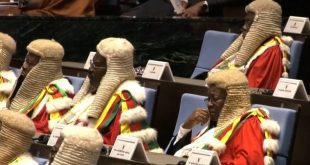
The Cameroonian political landscape is currently weathering a period of intense turbulence. During a recent debate on RFI’s Appels sur l’actualité, listeners and experts analyzed the implications of the newly created office of Vice President of the Republic, which was adopted by a large majority by the National Assembly and the Senate meeting in Congress.
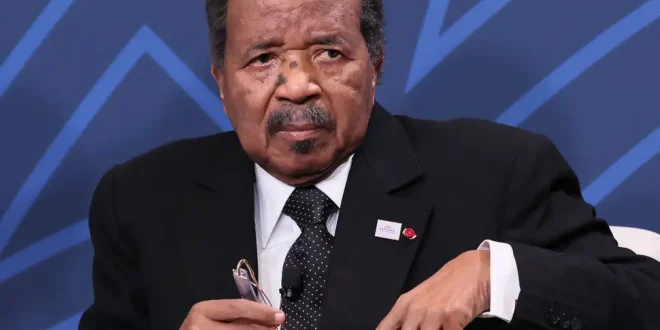
This reform, occurring as President Paul Biya begins his eighth term at the age of 93, raises major questions about the democratic future of the country.
Key Points of the New Constitution
The discussion on RFI highlighted several profound structural changes brought about by this text:
-
An Appointed, Not Elected, Successor: The Vice President will not be chosen by the voters but will be appointed directly by the Head of State, who also retains the power to terminate their functions at any time.
-
The End of the Senate’s Interim Role: Previously, in the event of a vacancy, the President of the Senate managed the interim period to organize an election within 120 days. Now, the Vice President will simply complete the current term.
-
Unknown Powers: The text remains silent on the actual prerogatives of this new position, leaving all decision-making power to a presidential decree.
A Polarized National Debate
The RFI broadcast served as a forum for radically opposing views, reflecting the political divide in Cameroon.
The Opposition Denounces “Monarchization”
For many participants, this reform is a “mutual agreement” strategy. The goal, they argue, is to allow the President to control his own succession—potentially until 2032—without facing a popular vote. The shadow of Franck Biya, the President’s eldest son, hangs over this new position, causing the opposition to fear a monarchical shift in the republican system.
The Majority Pleads for Stability
Conversely, some listeners see this measure as a “responsible transition”. In a country with a complex national context, the appointment of a Vice President could prevent the chaos or disorder that an early election might trigger. Supporters of the regime argue it ensures the continuity of the State and revitalizes a government apparatus sometimes judged as slow, by delegating part of the public action oversight to a trusted figure.
What Consequences for Cameroonians?
Beyond the political maneuvering, the question of government efficiency remains. Some hope that this Vice President can compensate for the lack of a cabinet reshuffle—the last one occurring over seven years ago—and breathe new life into the administration. However, the lack of clearly defined prerogatives in the Constitution leads others to fear the creation of a purely symbolic role or, conversely, an executive power acting in the shadows of the palace.
What is your analysis? Is this constitutional change a guarantee of social peace or a definitive locking down of power?
Based on the program “Appels sur l’actualité” broadcast on RFI on April 6, 2026.